








 Dubai
 English
 AED
 English
Currency 
 $ - USD
- £ - GBP
- € - EUR
- SR - SAR
- KD - KWD
- ₽ - RUB
- ₹ - INR
- Rs - PKR
- ر.ع - OMR
- د.إ - MAD
- د.إ - JOD
- Rent a Car
-
View All Cars
Categories
- Luxury Car Rental Dubai
- Sports Car Rental Dubai
- Muscle Cars
- Electric Cars
- No Deposit Cars
 New
- Economy Cars
- Special Edition New
 Rent a Car
-
View All Cars
-
Buy a Car
-
View All CarsCategories Join OneClickDriveBrowse Cars by Budget Browse Cars by SpecsView All CarsCategoriesBrowse Cars by Budget
- Cars Under AED 50K
- Cars Under AED 100K
- Cars Under AED 200K
- Cars Under AED 350K
- Cars Under AED 500K
- > AED 500K
 Buy a Car
-
-
Export Cars
Export Cars
-
Car Brands
 Sorry! We may not have that brand right now, but we’re always adding to our collection. Check back later.Abarth
 Abarth (1 Car) AITO
 AITO (2 Cars) Alfa Romeo
 Alfa Romeo (20+ Cars) Ashok Leyland
 Ashok Leyland (3 Cars) Aston Martin
 Aston Martin (10+ Cars) Audi
 Audi (200+ Cars) Avatr
 Avatr (2 Cars) BAIC
 BAIC (10+ Cars) BAW
 BAW (7 Cars) Bentley
 Bentley (100+ Cars) Bestune
 Bestune (3 Cars) BMW
 BMW (430+ Cars) Brilliance
 Brilliance (2 Cars) Bugatti
 Bugatti (4 Cars) Buick
 Buick (1 Car) BYD
 BYD (90+ Cars) Cadillac
 Cadillac (90+ Cars) Can-am
 Can-am (1 Car) Changan
 Changan (30+ Cars) Chery
 Chery (20+ Cars) Chevrolet
 Chevrolet (200+ Cars) Chrysler
 Chrysler (6 Cars) Citroen
 Citroen (4 Cars) CMC
 CMC (10+ Cars) Cupra
 Cupra (1 Car) Daewoo
 Daewoo (1 Car) Daihatsu
 Daihatsu (1 Car) Deepal
 Deepal (1 Car) Denza
 Denza (3 Cars) DFSK
 DFSK (1 Car) Dodge
 Dodge (210+ Cars) Dongfeng
 Dongfeng (6 Cars) Exeed
 Exeed (20+ Cars) Fengon
 Fengon (1 Car) Ferrari
 Ferrari (80+ Cars) Fiat
 Fiat (20+ Cars) Ford
 Ford (350+ Cars) Forthing
 Forthing (3 Cars) GAC
 GAC (20+ Cars) Geely
 Geely (40+ Cars) Genesis
 Genesis (10+ Cars) GMC
 GMC (90+ Cars) Great Wall
 Great Wall (2 Cars) GWM
 GWM (1 Car) Haval
 Haval (10+ Cars) Hino
 Hino (1 Car) HiPhi
 HiPhi (1 Car) Honda
 Honda (100+ Cars) Hongqi
 Hongqi (5 Cars) Hyundai
 Hyundai (250+ Cars) Ineos
 Ineos (4 Cars) Infiniti
 Infiniti (100+ Cars) Isuzu
 Isuzu (20+ Cars) Iveco
 Iveco (2 Cars) JAC
 JAC (50+ Cars) Jaecoo
 Jaecoo (1 Car) Jaguar
 Jaguar (30+ Cars) Jeep
 Jeep (260+ Cars) Jetour
 Jetour (100+ Cars) Kaiyi
 Kaiyi (8 Cars) Kia
 Kia (230+ Cars) Lamborghini
 Lamborghini (60+ Cars) Lancia
 Lancia (1 Car) Land Rover
 Land Rover (380+ Cars) Lexus
 Lexus (180+ Cars) Li Auto
 Li Auto (10+ Cars) Lincoln
 Lincoln (20+ Cars) Livan
 Livan (1 Car) Lotus
 Lotus (9 Cars) Lucid
 Lucid (1 Car) Lynk and Co
 Lynk and Co (4 Cars) Maserati
 Maserati (30+ Cars) Maxus
 Maxus (4 Cars) Mazda
 Mazda (80+ Cars) McLaren
 McLaren (10+ Cars) Mercedes Benz
 Mercedes Benz (1240+ Cars) Mercedes Maybach
 Mercedes Maybach (9 Cars) MG
 MG (180+ Cars) Mini
 Mini (40+ Cars) Mitsubishi
 Mitsubishi (460+ Cars) Mitsubishi Fuso
 Mitsubishi Fuso (2 Cars) Morgan
 Morgan (10 Cars) NIO
 NIO (2 Cars) Nissan
 Nissan (660+ Cars) Opel
 Opel (2 Cars) ORA
 ORA (1 Car) Pagani
 Pagani (2 Cars) Peugeot
 Peugeot (70+ Cars) Polestar
 Polestar (1 Car) Pontiac
 Pontiac (1 Car) Porsche
 Porsche (190+ Cars) Rabdan
 Rabdan (2 Cars) Ram
 Ram (150+ Cars) Renault
 Renault (30+ Cars) Rivian
 Rivian (1 Car) ROEWE
 ROEWE (2 Cars) Rolls Royce
 Rolls Royce (120+ Cars) ROX
 ROX (80+ Cars) Skoda
 Skoda (8 Cars) Skywell
 Skywell (3 Cars) Smart
 Smart (1 Car) Soueast
 Soueast (1 Car) Subaru
 Subaru (9 Cars) Suzuki
 Suzuki (160+ Cars) TANK
 TANK (5 Cars) Tata
 Tata (1 Car) Tesla
 Tesla (40+ Cars) Toyota
 Toyota (1640+ Cars) Triumph
 Triumph (1 Car) VGV
 VGV (6 Cars) Victory
 Victory (2 Cars) Volkswagen
 Volkswagen (130+ Cars) Volvo
 Volvo (50+ Cars) Voyah
 Voyah (7 Cars) Wuling
 Wuling (3 Cars) Xiaomi
 Xiaomi (10 Cars) Zeekr
 Zeekr (5 Cars) ZX
 ZX (5 Cars)
AITO AITO (2 Cars) Aston Martin Aston Martin (1 Car) Audi Audi (10 Cars) Avatr Avatr (1 Car) BAIC BAIC (5 Cars) BAW BAW (6 Cars) Bentley Bentley (10+ Cars) BMW BMW (50+ Cars) Brilliance Brilliance (1 Car) BYD BYD (70+ Cars) Cadillac Cadillac (30+ Cars) Changan Changan (30+ Cars) Chery Chery (10+ Cars) Chevrolet Chevrolet (10+ Cars) Citroen Citroen (3 Cars) CMC CMC (10+ Cars) Daewoo Daewoo (1 Car) Deepal Deepal (1 Car) Denza Denza (3 Cars) Dodge Dodge (4 Cars) Dongfeng Dongfeng (5 Cars) Ferrari Ferrari (9 Cars) Fiat Fiat (10+ Cars) Ford Ford (20+ Cars) GAC GAC (9 Cars) Geely Geely (5 Cars) Genesis Genesis (2 Cars) GMC GMC (10+ Cars) Great Wall Great Wall (2 Cars) Haval Haval (2 Cars) Hino Hino (1 Car) Honda Honda (3 Cars) Hyundai Hyundai (50+ Cars) Ineos Ineos (1 Car) Infiniti Infiniti (20+ Cars) Isuzu Isuzu (20+ Cars) JAC JAC (1 Car) Jeep Jeep (110+ Cars) Jetour Jetour (9 Cars) Kaiyi Kaiyi (1 Car) Kia Kia (40+ Cars) Lamborghini Lamborghini (7 Cars) Land Rover Land Rover (60+ Cars) Lexus Lexus (60+ Cars) Li Auto Li Auto (8 Cars) Livan Livan (1 Car) Lotus Lotus (3 Cars) Lynk and Co Lynk and Co (3 Cars) Maxus Maxus (2 Cars) Mazda Mazda (1 Car) McLaren McLaren (1 Car) Mercedes Benz Mercedes Benz (190+ Cars) Mercedes Maybach Mercedes Maybach (1 Car) MG MG (40+ Cars) Mitsubishi Mitsubishi (200+ Cars) Mitsubishi Fuso Mitsubishi Fuso (1 Car) Morgan Morgan (8 Cars) Nissan Nissan (110+ Cars) ORA ORA (1 Car) Peugeot Peugeot (7 Cars) Porsche Porsche (9 Cars) Rabdan Rabdan (2 Cars) Ram Ram (130+ Cars) Renault Renault (3 Cars) ROEWE ROEWE (1 Car) Rolls Royce Rolls Royce (10+ Cars) ROX ROX (70+ Cars) Skywell Skywell (3 Cars) Suzuki Suzuki (100+ Cars) TANK TANK (3 Cars) Tata Tata (1 Car) Tesla Tesla (9 Cars) Toyota Toyota (1040+ Cars) VGV VGV (4 Cars) Volkswagen Volkswagen (9 Cars) Voyah Voyah (7 Cars) Wuling Wuling (3 Cars) Xiaomi Xiaomi (8 Cars) Zeekr Zeekr (3 Cars) ZX ZX (5 Cars)
Abarth Abarth (1 Car) AITO AITO (2 Cars) Alfa Romeo Alfa Romeo (10+ Cars) Ashok Leyland Ashok Leyland (3 Cars) Aston Martin Aston Martin (10+ Cars) Audi Audi (120+ Cars) Avatr Avatr (1 Car) BAIC BAIC (3 Cars) BAW BAW (6 Cars) Bentley Bentley (90+ Cars) Bestune Bestune (2 Cars) BMW BMW (290+ Cars) Brilliance Brilliance (2 Cars) Bugatti Bugatti (4 Cars) Buick Buick (1 Car) BYD BYD (80+ Cars) Cadillac Cadillac (50+ Cars) Can-am Can-am (1 Car) Changan Changan (30+ Cars) Chery Chery (10+ Cars) Chevrolet Chevrolet (140+ Cars) Chrysler Chrysler (6 Cars) Citroen Citroen (1 Car) CMC CMC (9 Cars) Daewoo Daewoo (1 Car) Daihatsu Daihatsu (1 Car) Deepal Deepal (1 Car) Denza Denza (3 Cars) DFSK DFSK (1 Car) Dodge Dodge (160+ Cars) Dongfeng Dongfeng (4 Cars) Exeed Exeed (2 Cars) Fengon Fengon (1 Car) Ferrari Ferrari (80+ Cars) Fiat Fiat (10+ Cars) Ford Ford (250+ Cars) GAC GAC (10+ Cars) Geely Geely (20+ Cars) Genesis Genesis (7 Cars) GMC GMC (60+ Cars) Great Wall Great Wall (2 Cars) GWM GWM (1 Car) Haval Haval (8 Cars) Hino Hino (1 Car) HiPhi HiPhi (1 Car) Honda Honda (80+ Cars) Hongqi Hongqi (3 Cars) Hyundai Hyundai (190+ Cars) Ineos Ineos (3 Cars) Infiniti Infiniti (70+ Cars) Isuzu Isuzu (20+ Cars) Iveco Iveco (2 Cars) JAC JAC (30+ Cars) Jaguar Jaguar (20+ Cars) Jeep Jeep (90+ Cars) Jetour Jetour (60+ Cars) Kaiyi Kaiyi (3 Cars) Kia Kia (160+ Cars) Lamborghini Lamborghini (50+ Cars) Lancia Lancia (1 Car) Land Rover Land Rover (280+ Cars) Lexus Lexus (140+ Cars) Li Auto Li Auto (5 Cars) Lincoln Lincoln (10+ Cars) Livan Livan (1 Car) Lotus Lotus (8 Cars) Lucid Lucid (1 Car) Lynk and Co Lynk and Co (3 Cars) Maserati Maserati (10+ Cars) Maxus Maxus (3 Cars) Mazda Mazda (50+ Cars) McLaren McLaren (10+ Cars) Mercedes Benz Mercedes Benz (1040+ Cars) Mercedes Maybach Mercedes Maybach (9 Cars) MG MG (110+ Cars) Mini Mini (30+ Cars) Mitsubishi Mitsubishi (350+ Cars) Mitsubishi Fuso Mitsubishi Fuso (2 Cars) Morgan Morgan (10 Cars) NIO NIO (1 Car) Nissan Nissan (480+ Cars) Opel Opel (2 Cars) ORA ORA (1 Car) Pagani Pagani (2 Cars) Peugeot Peugeot (50+ Cars) Polestar Polestar (1 Car) Pontiac Pontiac (1 Car) Porsche Porsche (170+ Cars) Ram Ram (10+ Cars) Renault Renault (20+ Cars) Rivian Rivian (1 Car) ROEWE ROEWE (1 Car) Rolls Royce Rolls Royce (120+ Cars) ROX ROX (80+ Cars) Skoda Skoda (5 Cars) Skywell Skywell (3 Cars) Smart Smart (1 Car) Subaru Subaru (9 Cars) Suzuki Suzuki (120+ Cars) TANK TANK (4 Cars) Tata Tata (1 Car) Tesla Tesla (30+ Cars) Toyota Toyota (1460+ Cars) Triumph Triumph (1 Car) VGV VGV (6 Cars) Victory Victory (1 Car) Volkswagen Volkswagen (90+ Cars) Volvo Volvo (20+ Cars) Voyah Voyah (6 Cars) Wuling Wuling (3 Cars) Xiaomi Xiaomi (10 Cars) Zeekr Zeekr (3 Cars) ZX ZX (5 Cars)
-
Car with Driver
-
Yachts
Yachts
-
Quick Links
- 6 Month Car Rental Dubai
- 7 Seater Car Rental Dubai
- Weekly Car Rentals in Dubai
- Monthly Car Rentals in Dubai
- SUV Rentals in Dubai
- Luxury Car Rentals in Dubai
- Medium-range Cars in Dubai
- Economy Car Rentals in Dubai
- Sports Car Rentals in Dubai
- Convertible Car Rentals in Dubai
- Minibus Rental Dubai
- 12 SEATER VAN RENTAL DUBAI
- 9 Seater Car Rental Dubai
- 8 SEATER CAR RENTAL DUBAI
- 14 SEATER VAN RENTAL DUBAI
Quick Links
-
Sell My Car Free
- Login
 Trending
 New
 Trending
 New
 Hot Deals



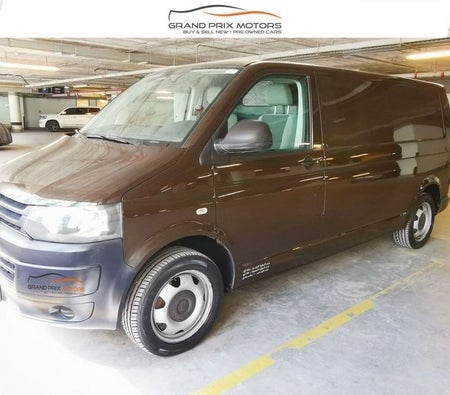
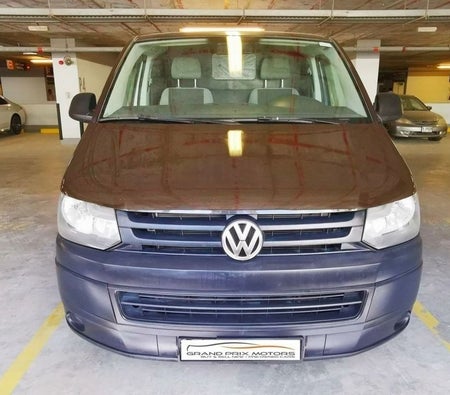
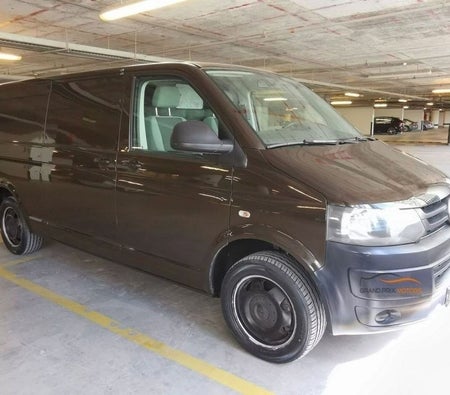
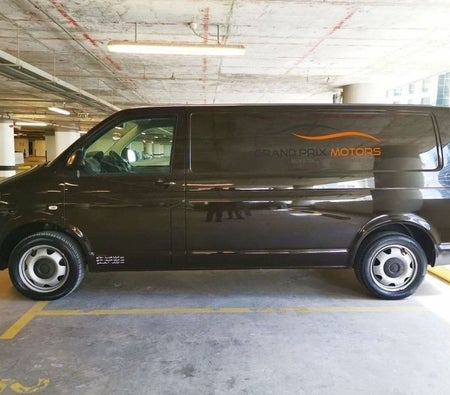


 Exportable